


Single Leg Platform Slide
What is the Single Leg Platform Slide?
The Single Leg Platform Slide is a compound strength exercise that targets the hamstrings, with help from the glutes and quadriceps, done using only your body weight.
The single leg platform slide is a bodyweight exercise targeting the hamstrings, with secondary emphasis on the glutes and quadriceps. It involves sliding one foot backward on a platform while maintaining balance and core engagement.
How to do the Single Leg Platform Slide
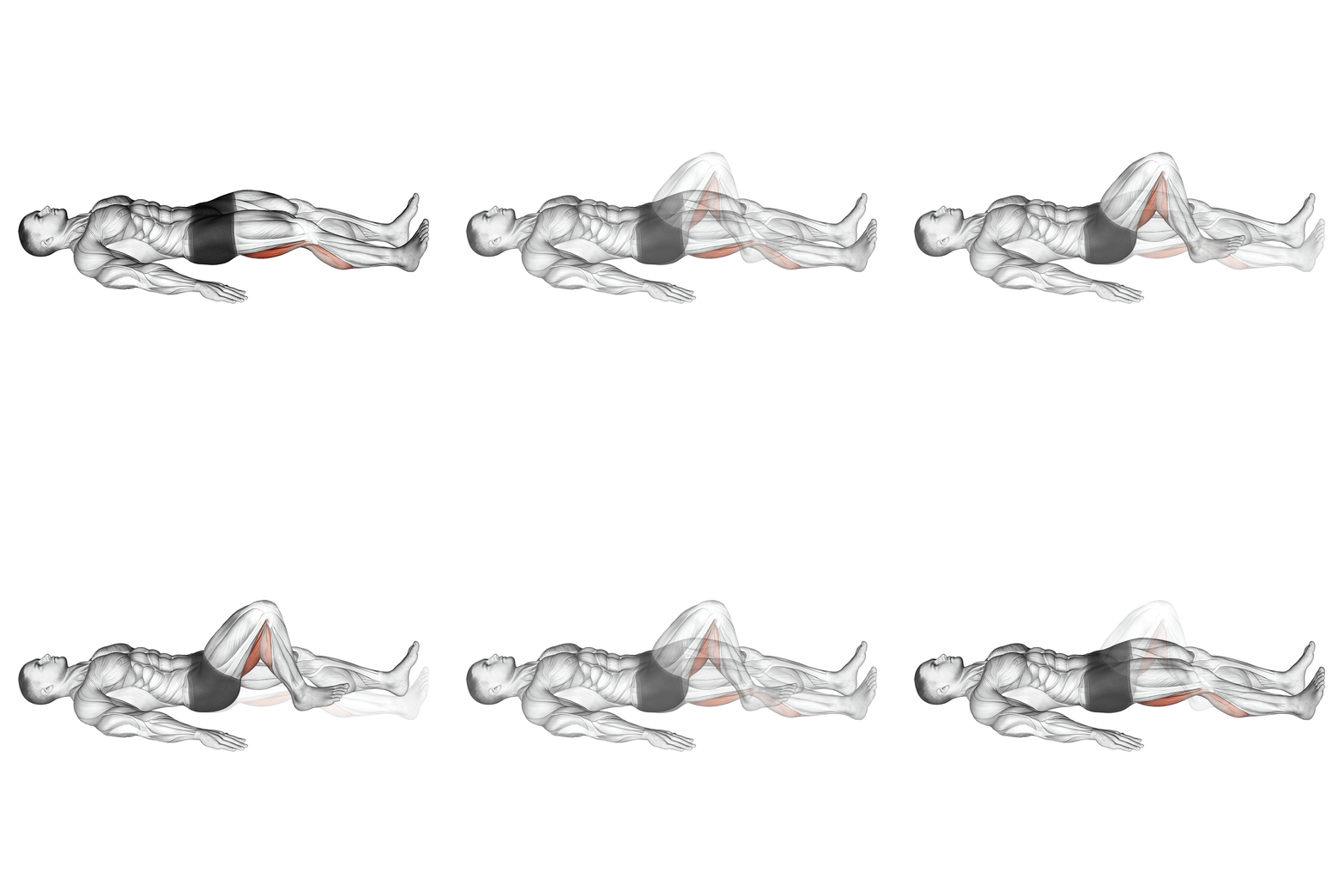
- 1
Start by standing with one foot on a platform or slide board.
- 2
Bend your knee slightly and slide the foot on the platform backward, extending your leg.
- 3
Keep your core engaged and maintain a straight posture throughout the movement.
- 4
Slowly return to the starting position by sliding your foot back to the initial position.
- 5
Repeat the movement for the desired number of repetitions, then switch legs.
Single Leg Platform Slide Muscles Worked
The primary muscle group worked during the Single Leg Platform Slide is the hamstrings. Secondary muscles including the glutes and quadriceps assist throughout the movement, contributing to stability and force production.
- Primary muscle
- Hamstrings
- Secondary muscles
- Glutes, Quadriceps
- Body part
- Upper Legs
- Movement type
- Compound
- Equipment needed
- No equipment needed: just your body weight.
Sets and reps for the Single Leg Platform Slide
The Single Leg Platform Slide is a compound bodyweight exercise: several joints and muscles work together, so you progress by adding reps, slowing the tempo or moving to a harder version rather than adding plates.
| Goal | Sets | Reps | Rest |
|---|---|---|---|
| Strength | 3 to 5 | 3 to 8 per side (add weight or use a harder version) | 2 to 3 min |
| Muscle growth | 3 to 4 | 8 to 15 per side | 60 to 90 sec |
| Endurance | 2 to 3 | 15+ per side, or as many clean reps as you can | 30 to 60 sec |
- To progress, add reps first, then slow the lowering phase to about 3 seconds, pause at the hardest point, or move to a harder variation.
- Work one side at a time and start with your weaker side, so it sets the number of reps for both.
- For muscle growth, about 10 to 20 hard sets per muscle per week works for most people, counting every exercise that trains the hamstrings.
Single Leg Platform Slide Alternatives
These exercises also train the hamstrings, each with different equipment, so you can swap one in when your gym is busy, you train at home or you want a change.
- Dumbbell Lying FemoralDumbbellWant more resistance? Dumbbells train each side on its own, which helps even out strength differences.
- Kettlebell Hang CleanKettlebellWant more resistance? The kettlebell's offset weight adds a grip and stability challenge.
- Cable Assisted Inverse Leg CurlCableNot there yet? The assistance takes part of your body weight off, so you can build up to the full movement.
- Lever Lying Leg CurlLeverage MachineWant more resistance? The machine guides the path, so you can push hard safely without a spotter.
- Barbell Good MorningBarbellWant more resistance? A barbell lets you load the most weight and add it in small steps, which suits strength work.
- Assisted Prone HamstringAssistedNot there yet? The assistance takes part of your body weight off, so you can build up to the full movement.
Exercises That Pair Well With the Single Leg Platform Slide
For a short lower body workout, do the Single Leg Platform Slide first while you are fresh, then 2 to 3 sets of each of these.
More Hamstrings Exercises
- Standing Single Leg Curl · Body Weight
- World Greatest Stretch · Body Weight
- Barbell Straight Leg Deadlift · Barbell
- Exercise Ball Seated Hamstring Stretch · Stability Ball
- Glute-Ham Raise · Body Weight
- Hamstring Stretch · Body Weight
Track the Single Leg Platform Slide in YourFit
- Log sets, reps and weight in a few taps, with your previous sets for the Single Leg Platform Slide shown next to each one.
- New personal records are flagged automatically, so you know when you beat your best.
- See your strength level, plus how many weekly sets each muscle gets, including the hamstrings.